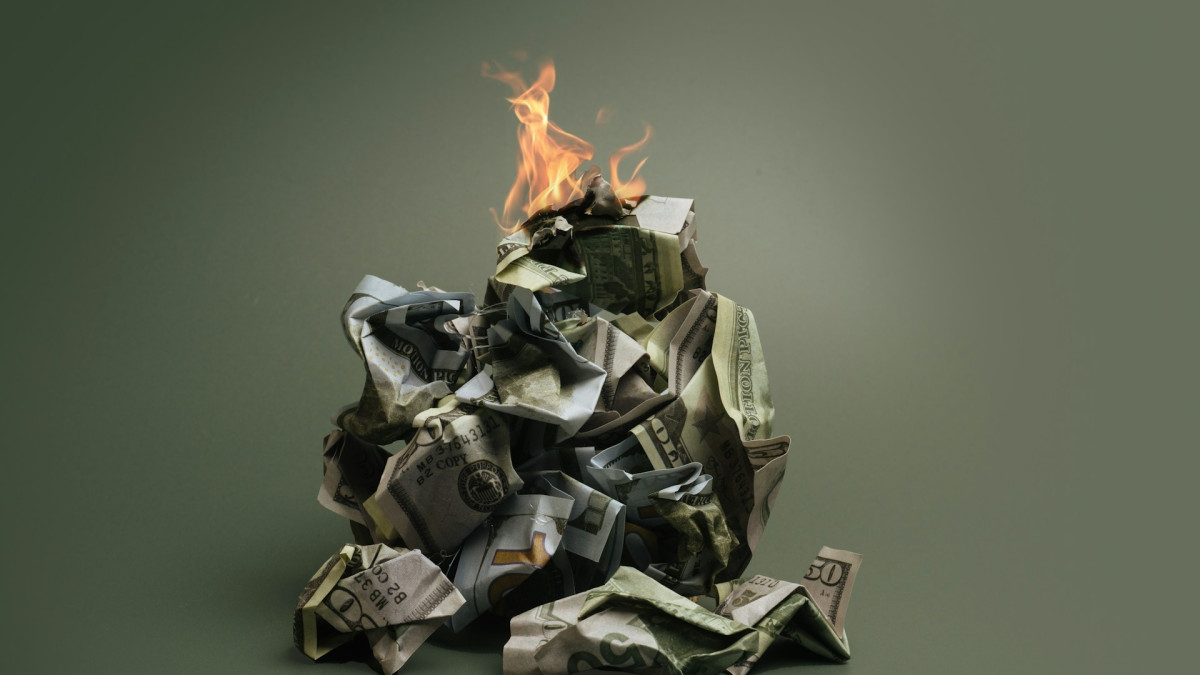
I nflation bared its claws in September, with prices rising at their fastest rate in nearly a year. The Consumer Prices Index (CPI) leapt to 3.5 per cent from 3.1 per cent in August , a shade ahead of the Reuters consensus forecast (3.4 per cent), delivering a pre-budget body blow to Chancellor John Healey. September’s figure is particularly significant one.
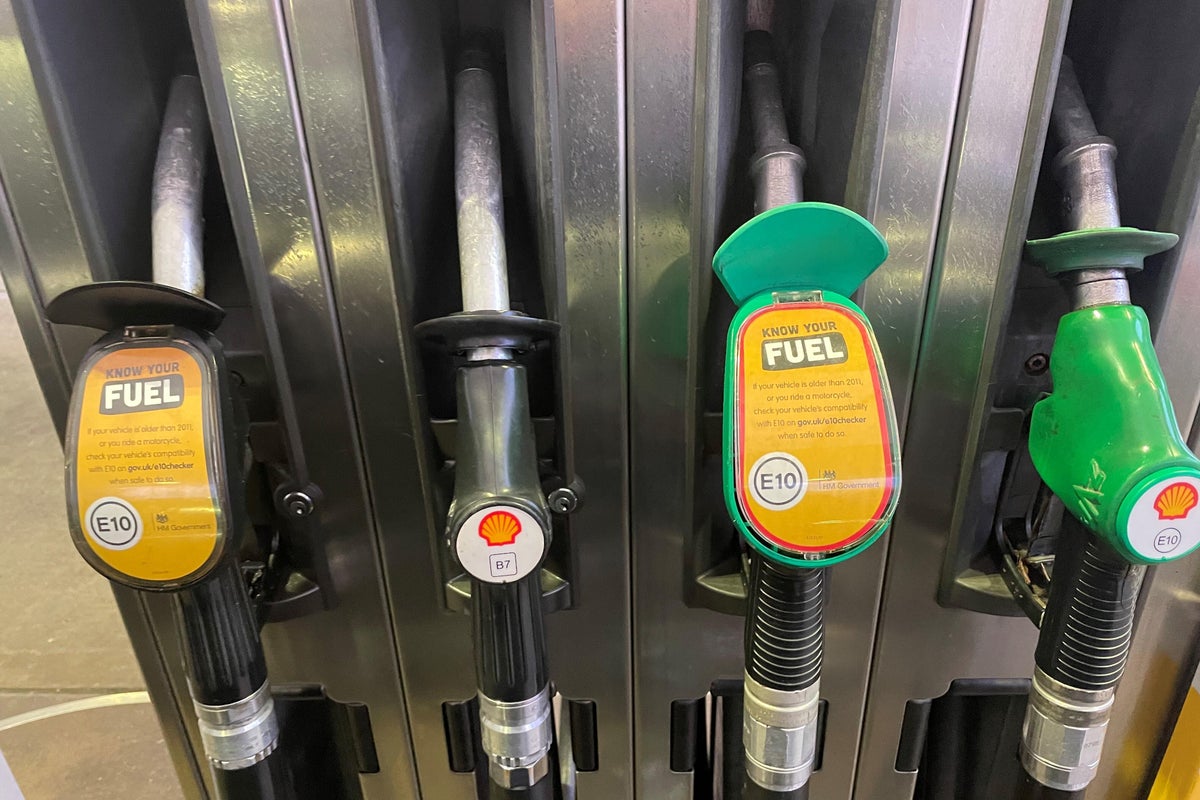
It sets the rate at which benefits are increased in April. Healey will somehow have to find the money to fund that. Fuel was, of course, the villain of the piece, with the price of diesel at its highest for more than four years.
Air fares were also cited by the Office for National Statistics (ONS), again driven higher by soaring fuel costs. This is a problem created overseas, with events in the Middle East casting a dark shadow. Small wonder that the government approved the controversial Jackdaw gas field in the North Sea .
The Bank of England could put interest rates up to five or 10 per cent and it would make no difference to the global oil price. Its concern has long been what it likes to refer to as “second order effects”. So, the other prices pushed higher by energy, which it can influence Core inflation, which excludes energy and other volatile categories, ticked up to 2.8 per cent from 2.6 per cent, while the services index, a persistent bugbear, jumped from 3.7 per cent to 3.4 per cent.
Members of the rate setting Monetary Policy Committee (MPC) will have taken note. There was at least some comfort going into winter from food, where prices have been notably soft, driven by competition in the grocery sector and penny pinching by consumers . They rose by 1.3 per cent on the year, but actually fell slightly when compared to August (-0.2 per cent).
However, this won’t last. A poor harvest and El Nino will push prices higher - and going to the supermarket already feels like a trip to the dentist. The energy virus is starting to spread, and it will get worse before it gets better.
The MPC’s hawks will be in the ascendent in a couple of weeks. A base rate rise to 4 per cent is a racing certainty. The only question now is how many more are coming.
The clamour for Healey to help is growing ever louder. Businesses are calling for measures to cut their costs - in other words tax cuts. Householders are similarly crying out for support.
But the Chancellor has scant room for manoeuvre: rising inflation will do nothing to ease the government’s borrowing costs. The UK economy has been much praised for its resilience of late , defying gloomy forecasts and outpacing most of its G7 rivals. The energy crisis may remove that rosy glow and if it does, Healey will take the blame, fair or not.
Source: The Independent