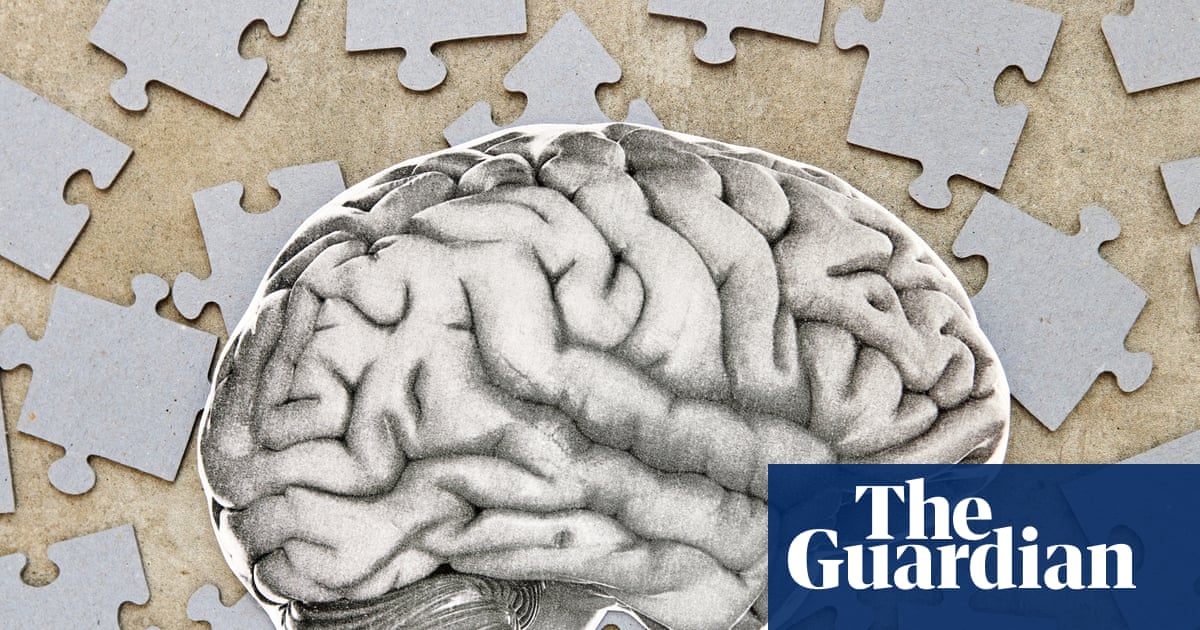
You write that ‘changing the way you think about the brain cliff can literally change the way you think and remember’. How? Dr Norman Swan explains three key, lesser-known concepts: shifting focus from cognitive decline to cognitive change, leveraging brain scaffolding, and the benefits of mind wandering.
Dr Norman Swan outlines three critical insights to help preserve cognitive function:
1. **Cognitive Change vs. Decline**: Comparing brain function to youthful levels is misleading. Our brains evolve with age, particularly in crystallized intelligence (wisdom and experience), which can improve. Fluid intelligence (speed and problem-solving) peaks in early adulthood but is less critical for daily life.
2. **Brain Scaffolding**: As we age, our brains build neural networks—like scaffolding in a skyscraper—that support cognitive functions. The prefrontal cortex, crucial for judgment and emotional control, benefits from successful scaffolding. Stress, rumination, and negative habits (like alcohol) can hinder this process.
3. **Mind Wandering and Mental Time Travel**: Activities like mind wandering and reliving past experiences stimulate brain connections. Midlife is ideal for mental time travel, as past memories are well-established and future imagination is active.
Dr Swan interviewed seven cognitive super-agers—from a 95-year-old shoemaker to a 94-year-old McDonald’s worker—who all prioritize stress management, problem-solving, and avoiding rumination. Their habits include: - **Exercise**: Enhances brain plasticity and scaffolding. - **Anti-inflammatory Diet**: Rich in leafy greens, berries, fermented foods, and low in red meat, supporting brain health. - **Avoiding Retirement**: Staying engaged through volunteering, learning new skills, or maintaining active roles delays cognitive decline.
Genetics play a minor role; lifestyle choices matter most. Dr Swan’s own habits include reduced alcohol, better diet, and continuous learning to protect his brain. He advocates against retirement, stating it accelerates cognitive decline unless replaced with new activities.
Source: The Guardian